2026-11-05 ·
Hurricane and Storm Damage Cleanup in Hampton Roads
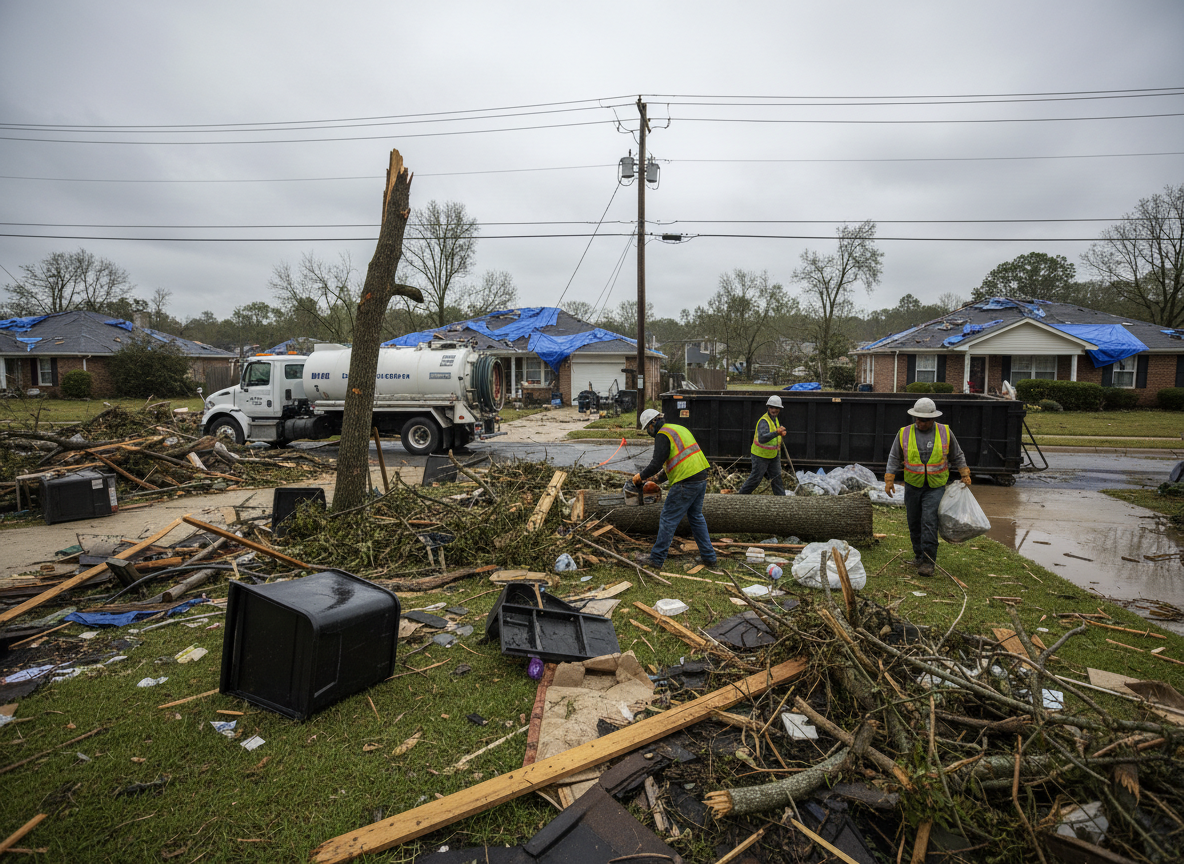
Hurricane and storm damage cleanup in Hampton Roads begins with immediate water extraction and structural drying within the first 24 to 48 hours to limit secondary issues in Chesapeake homes. Properties in Great Bridge and Greenbrier often see water intrusion through crawl spaces and older foundations during heavy summer rains, while Western Branch and Deep Creek face similar risks from saturated soils near the Dismal Swamp Canal. Crews prioritize safety checks for electrical hazards before removing standing water and deploying air movers and dehumidifiers suited to the region's humid subtropical climate.
Assessing Storm Impact on Chesapeake Homes
Storm damage assessment in Hampton Roads requires checking both visible flooding and hidden moisture in walls and subfloors common to homes built before 1990 in South Norfolk and Great Bridge. High winds from coastal storms can drive rain under roof edges and through windows, saturating insulation in Western Branch ranch-style houses. Technicians use moisture meters to map affected zones and document conditions for insurance purposes, focusing on areas near Chesapeake City Park where drainage patterns channel runoff into residential yards. This step prevents long-term issues in the hot, humid summers that keep materials damp longer than in drier climates.
Water Removal and Drying Techniques
Effective water removal starts with pumps and wet vacuums to clear standing water from basements and garages in Greenbrier and Deep Creek properties after nor'easters or tropical systems. Air movers and commercial dehumidifiers then reduce humidity levels below 50 percent within 48 hours, countering the humid subtropical conditions that slow evaporation in Chesapeake City. In older housing stock around Great Bridge Battlefield, crews often remove baseboards and drill small holes in walls to release trapped moisture. Drying times extend in summer months when outdoor humidity stays high, requiring equipment monitoring every four to six hours to avoid mold growth on drywall and carpet padding.
Preventing Mold After Coastal Storms
Mold prevention after storms focuses on rapid drying and targeted cleaning in flood-prone spots like South Norfolk and areas near the Dismal Swamp Canal. Storm damage cleanup crews apply antimicrobial treatments to affected wood and drywall in Chesapeake homes where humidity lingers. Homeowners in Greenbrier should inspect attics and crawl spaces within days, as hot summer temperatures accelerate spore growth on damp surfaces. Removing wet insulation and discarding porous materials prevents hidden colonies that later affect air quality in Norfolk and Portsmouth-adjacent neighborhoods.
Next Steps for Hampton Roads Residents
After initial cleanup, residents in Western Branch and Great Bridge benefit from reviewing Emergency Water Damage: What Chesapeake Homeowners Should Do First to understand follow-up drying checks. Scheduling a full inspection helps identify any remaining moisture that could affect flooring or HVAC systems during the region's humid months. Water damage restoration teams familiar with local terrain provide targeted guidance for properties near Chesapeake Square Mall that face repeated drainage challenges. This approach keeps restoration focused on the specific conditions of Chesapeake City rather than generic methods.